
Hidden Costs of Buying a Home: What First-Time Buyers Need to Budget For

The sale price is only one part of buying a home. The real budget includes fees, taxes, insurance, repairs, and cash you may need within weeks of moving in.
That gap surprises many first-time buyers. A monthly mortgage payment can look manageable, then closing day arrives with thousands due. After that, a water heater fails, the tax bill adjusts, or the insurance premium lands higher than expected.
This guide is informational only and is not financial advice. Use it to ask better questions and build a safer homebuying budget.

The cash you need before you get the keys
Closing costs are one of the biggest surprises for new buyers. They are separate from the down payment. They cover the services and fees needed to finish the purchase.
Common closing costs can include:
Loan origination fees
Appraisal fees
Title search and title insurance
Recording fees
Prepaid property taxes
Prepaid homeowners insurance
Escrow setup funds
Many buyers budget for the down payment, then realize they need more cash to close. For a $350,000 home, even a few percent in closing costs can mean several thousand dollars due at signing.
A common example: a buyer saves $17,500 for a 5% down payment. The lender estimate then shows another $8,000 due for closing costs and prepaid items. The buyer can still purchase the home, but the emergency fund takes a hit before the first mortgage payment is due.
Budget tip: ask your lender for a Loan Estimate early. Then ask what can change before closing. Do not rely on a verbal estimate. Review the cash-to-close number in writing.
Home inspections are worth the money, but they add up
A general home inspection is often optional, but skipping it can be costly. Inspections help identify problems with the roof, electrical system, plumbing, foundation, HVAC, drainage, and appliances.
Some homes need extra inspections. These may include:
Pest inspection
Radon testing
Sewer scope
Mold inspection
Chimney inspection
Well or septic inspection
Each one adds cost. Still, the information can save far more than the inspection fee.
One buyer loved a home with a finished basement. The general inspection looked fine at first. A sewer scope found tree roots in the main line. The repair quote changed the buyer’s plan. They negotiated a credit instead of walking into a major repair alone.
Budget tip: set aside inspection money before making an offer. If the home is older, has a basement, uses septic, or has large trees near sewer lines, plan for specialized inspections too.

Property taxes can change after purchase
Property taxes are easy to underestimate. The current tax bill may not match what a new owner will pay later.
Taxes can rise because of:
A reassessment after the sale
Local tax rate changes
Loss of exemptions the prior owner had
New school, city, or county assessments
Escrow shortages after the first year
This hits buyers who focus only on the first-year monthly payment. If taxes rise, the lender may increase the monthly escrow payment.
For example, a buyer may see a listing with taxes based on an owner who had a senior exemption. After the sale, that exemption no longer applies. The new owner gets a higher tax bill. If escrow was too low, the lender may collect the shortage and raise the monthly payment.
Budget tip: check the county tax records. Ask whether the listed tax amount includes exemptions. Then estimate taxes based on the purchase price, not only the seller’s current bill.
Homeowners insurance is not a fixed number
Homeowners insurance protects against covered damage and liability. Lenders usually require it if there is a mortgage. The price depends on the home, location, coverage limits, deductible, claims history, and risk factors.
Insurance may cost more for homes with:
Older roofs
Outdated electrical systems
Prior claims
Wood-burning stoves
Swimming pools
Flood, wildfire, hurricane, or hail risk
Long distance from a fire hydrant or fire station
Standard homeowners insurance does not cover everything. Flood insurance and earthquake coverage are usually separate. In some areas, wind or hurricane deductibles can be much higher than a standard deductible.
A buyer may get a quote before the offer, then learn the roof age triggers a higher premium. That can change the monthly payment. It can also affect loan approval if the payment pushes debt ratios too high.
Budget tip: shop insurance early, not right before closing. Ask about exclusions, deductibles, and coverage limits. Price the home as it exists today, not as if all systems are new.

Maintenance and repairs start right away
Renters call the landlord. Homeowners call a contractor, or learn how to fix it themselves.
Maintenance is not optional. Small problems often become expensive when ignored. A clogged gutter can cause water damage. A dirty HVAC filter can strain the system. A small roof leak can damage drywall and insulation.
Common first-year expenses include:
Lock changes
HVAC servicing
Appliance repairs
Lawn equipment
Paint and supplies
Plumbing fixes
Gutter cleaning
Minor electrical work
Pest control
Then there are the larger items. Roofs, furnaces, air conditioners, water heaters, and major appliances all have limited lifespans.
A simple rule helps: set aside 1% to 3% of the home’s value each year for maintenance and repairs. A newer home may land near the low end. An older home may need more.
For a $350,000 home, that means saving $3,500 to $10,500 per year. That sounds high until an HVAC replacement, roof repair, or main sewer line issue arrives.
How to build a better homebuying budget
Start with the mortgage payment. Then build the real number around it.
Use this simple budget framework:
Cost category | What to plan for |
Down payment | Cash paid toward the purchase price |
Closing costs | Lender fees, title fees, prepaid taxes, insurance |
Inspections | General inspection plus any specialty inspections |
Moving costs | Truck rental, movers, storage, supplies |
Immediate repairs | Safety fixes, locks, leaks, cleaning, utilities |
Monthly escrow | Property taxes and homeowners insurance |
Maintenance fund | Ongoing savings for repairs and replacements |
Emergency fund | Cash kept separate from home projects |
Do not spend every dollar on the down payment. A larger down payment can lower the loan amount, but an empty savings account creates risk.
Better move: keep a cash cushion after closing. That cushion should cover surprise repairs, higher utility bills, and the first few months of homeownership.
Before making an offer, ask these questions:
What is the estimated cash to close?
What inspections make sense for this property?
What are the current taxes, and could they change?
What will insurance cost for this specific home?
What major systems are near the end of their life?
How much cash will remain after closing?
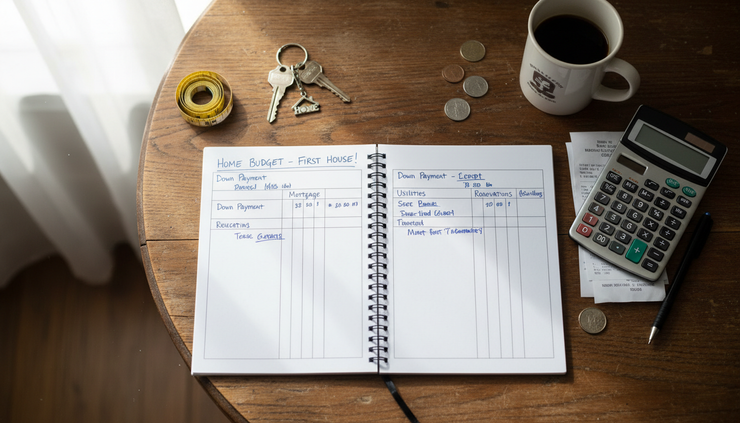
If you want help weighing the full cost of a home before making a move, contact CHEI Realty and ask what expenses to review before writing an offer.
FAQ
How much should I budget for closing costs?
Many buyers plan for a few percent of the purchase price, but the exact amount depends on the loan, location, taxes, and fees. Ask your lender for a written Loan Estimate.
Should I still get an inspection on a newer home?
Yes. Newer homes can still have drainage issues, roof defects, electrical problems, or poor workmanship. An inspection gives useful leverage and peace of mind.
Can property taxes go up right after I buy?
Yes. A sale can trigger reassessment in some areas. Taxes can also change if prior owner exemptions no longer apply.
Is homeowners insurance included in the mortgage payment?
Often, yes. Many lenders collect insurance through escrow. You still choose the policy, and the cost affects your monthly payment.
How much should I save for repairs after closing?
Try to keep a separate repair fund. A good starting point is 1% to 3% of the home’s value per year, with more set aside for older homes.
Buying a home works best when the budget includes the full picture. Look beyond the sale price. Price the fees, inspections, taxes, insurance, and repairs before you commit. A home should come with keys, not a cash crisis.


Comments